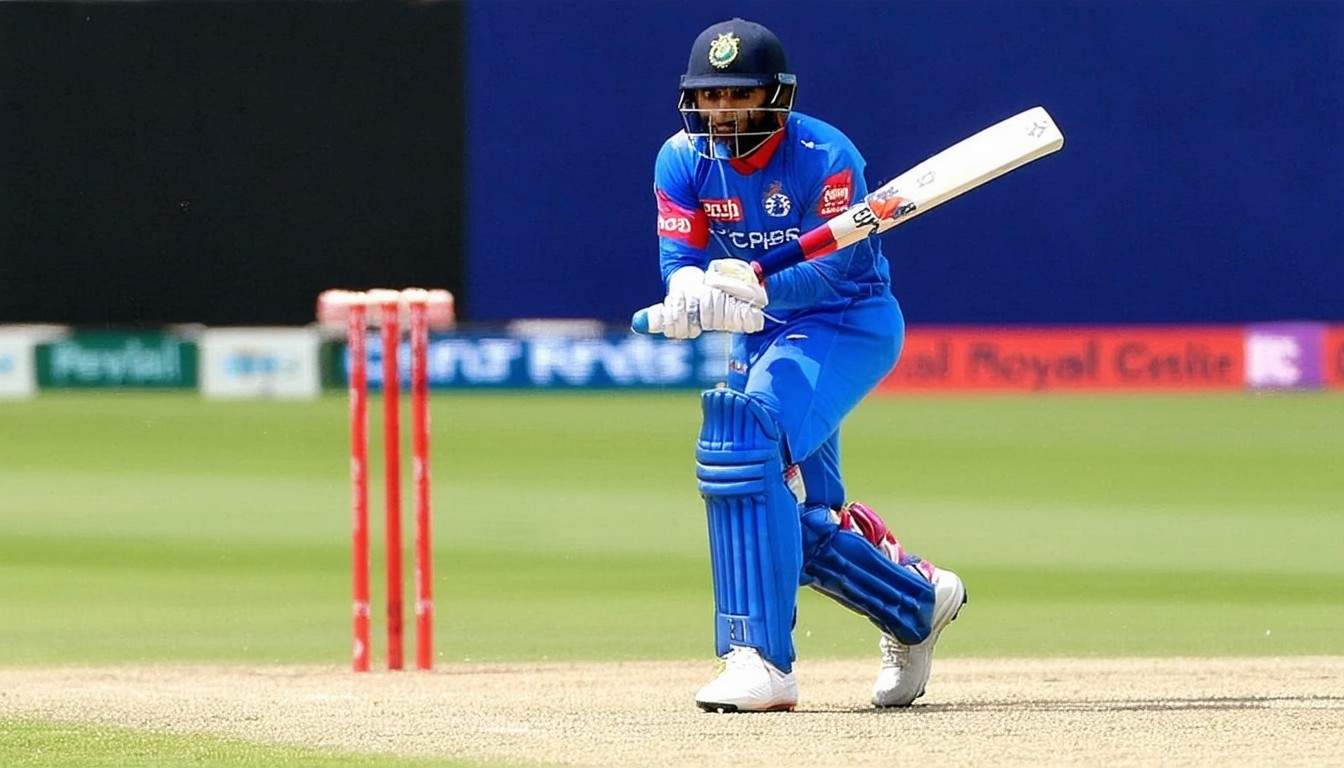
Clashes between Delhi Capitals and Royal Challengers Bengaluru have become some of the most anticipated contests in the Indian Premier League (IPL) calendar. With both teams boasting star-studded line-ups and passionate fanbases, each encounter captures the drama and momentum that defines modern T20 cricket. Understanding the match scorecard goes far beyond the numbers—offering insights into strategy, game-changing moments, and individual brilliance that shape the outcome.
Context: The Rivalry’s Stakes and Storylines
The Delhi Capitals and Royal Challengers have battled on the IPL stage since the league’s inception, with many matches featuring intense finishes and memorable performances. While neither team has clinched an IPL title to date, both squads have come agonizingly close, often relying on the caliber of players like Virat Kohli, Rishabh Pant, Glenn Maxwell, and David Warner to shift the balance.
Matches between the two teams are known for:
- High-scoring chases and batting collapses
- Tactical bowling duels in the powerplay
- Emerging Indian talents making a mark
In the broader context of the IPL, fixtures between Delhi and Bengaluru often have playoff implications. Given the shifting fortunes season to season, every confrontation features a blend of fresh narratives and lingering rivalries.
Dissecting the Scorecard: More Than Just Runs and Wickets
A detailed scorecard for a Delhi Capitals vs Royal Challengers match offers a layer-by-layer view of how the contest unfolded. Scorecard analysis considers:
Batting: Top Orders, Striking Partnerships, and Collapse
- Opening Stands: A strong foundation often sets up big totals. For instance, if Prithvi Shaw and David Warner put on a rapid opening partnership, Delhi can dictate the middle overs.
- Middle Order Contributions: Consistent runs from players like Shreyas Iyer or Dinesh Karthik can provide stability mid-innings.
- Finishers and Flourishes: Lower-order hitting—sometimes from all-rounders like Axar Patel or Shahbaz Ahmed—can turn an average total into a winning one.
Bowling: Powerplay Pressure and Death Over Drama
- New Ball Spells: Early wickets from bowlers like Mohammed Siraj or Anrich Nortje can disrupt plans from ball one.
- Spin Webs: Slow bowlers such as Kuldeep Yadav or Glenn Maxwell frequently impact the middle overs with pivotal breakthroughs.
- Death Over Execution: The ability to bowl tight yorkers or mix up pace in the last five overs often distinguishes the winning side.
Key Fielding Moments and Turning Points
Sharp catches, run-outs, and last-over heroics contribute to final outcomes. Small margins, like a dropped catch or a direct hit, can transform a match that appears settled.
“Match scorecards are the DNA of a cricket contest. They don’t just reveal who scored or who got out—they chronicle the pressure points, momentum swings, and hidden stories that define every match,” says cricket analyst Shubhman Bhargava.
Recent Match Snapshot: Scorecard Overview
While specific statistics differ by season and match, recurring trends emerge. A representative scorecard from a Delhi Capitals vs Royal Challengers fixture might look like this:
Delhi Capitals Innings
- Prithvi Shaw: 42 (29)
- David Warner: 51 (38)
- Rishabh Pant (c): 36 (24)
- Axar Patel: 17* (9)
- Extras: 11
- Total: 171/6 in 20 overs
Royal Challengers Innings
- Virat Kohli: 58 (40)
- Faf du Plessis: 22 (18)
- Glenn Maxwell: 35 (19)
- Dinesh Karthik: 19* (10)
- Extras: 7
- Total: 167/8 in 20 overs
Delhi Capitals win by 4 runs.
Bowling Highlights
- Anrich Nortje: 3/29 (4 overs)
- Kuldeep Yadav: 2/25 (4 overs)
- Mohammed Siraj: 2/32 (4 overs)
- Harshal Patel: 1/28 (4 overs)
In this example, a blend of early batting momentum, disciplined death bowling, and a fielding effort led by blinding catches anchors the Capitals’ victory.
Expert Analysis: Strategic Trends and Impact Players
Beyond the raw numbers, several patterns and individual turns often define this rivalry:
Tactical Trends
- Powerplay Battles: The approach in the first 6 overs frequently sets the tone, with both teams investing in aggressive openers and strike bowling options.
- Spin Utilization: Wickets that assist turn or grip accentuate the role of spinners, often leading to middle-over standoffs that decide the scoring rate.
- Finishing Roles: Successful teams in these contests have deep batting line-ups and bowlers with proven cool-headedness in the final overs.
Players to Watch
Both teams feature international stars and rising domestic names:
- Virat Kohli: Consistently among the leading run-scorers in head-to-head clashes.
- Rishabh Pant: Brings aggressive captaincy and high-impact batting, especially in chases.
- David Warner: Provides explosive starts and anchors innings as needed.
- Anrich Nortje: Renowned for his pace, often breaking big partnerships when it matters most.
The Scorecard’s Role in Fan Engagement and Strategy
In the IPL era, match scorecards serve fans, analysts, and teams alike. Platforms showcasing live and post-match scorecards enable micro-level analysis—be it wagon wheels, ball-by-ball commentary, or predictive stats overlays. These insights drive online conversations and amplify engagement across social channels.
Teams, meanwhile, use scorecard data in performance reviews, with coaching staff dissecting over-by-over breakdowns and pressure scenarios. This data-driven approach augments selection, tactics, and post-match strategy.
Conclusion: Why the Scorecard Matters
Delhi Capitals vs Royal Challengers matches encapsulate the vibrant, unpredictable spirit of IPL cricket. The match scorecard isn’t just a ledger of numbers—it’s a record of defining moments, strategic gambits, and athletic showcases. By examining the scorecard closely, fans and analysts alike gain a deeper appreciation not just for who won, but for how victory was achieved—one partnership, wicket, or over at a time.
For those tracking performance or seeking to relive key moments, referencing detailed match scorecards is essential. Whether you’re studying trends or celebrating your team’s win, the numbers tell a story every bit as compelling as the action on the field.
FAQs
What information does a cricket match scorecard include?
A typical cricket match scorecard lists individual and team scores, wickets taken, overs bowled, and details like extras and fall of wickets. It also highlights key contributors with the bat and ball for both teams.
How often do Delhi Capitals and Royal Challengers meet in the IPL?
These teams face each other at least twice each IPL season, once at each franchise’s home venue, as part of the league’s double round-robin format. They can also meet in playoff matches if both qualify.
Who are the key players to watch in this rivalry?
Notable names include Virat Kohli, Glenn Maxwell (Royal Challengers), David Warner, and Rishabh Pant (Delhi Capitals). Performances from emerging Indian talent also frequently influence match outcomes.
How do teams use scorecard data after the match?
Scorecard analysis helps teams evaluate individual and team performance, identify strengths and weaknesses, and adjust strategies for future games. Coaches leverage this data to design training and tactics.
Where can fans find live or updated match scorecards?
Live and detailed match scorecards are available on the IPL’s official website, major sports broadcasters, and cricket apps like Cricbuzz and ESPNcricinfo. These platforms offer in-depth, ball-by-ball updates for every IPL game.