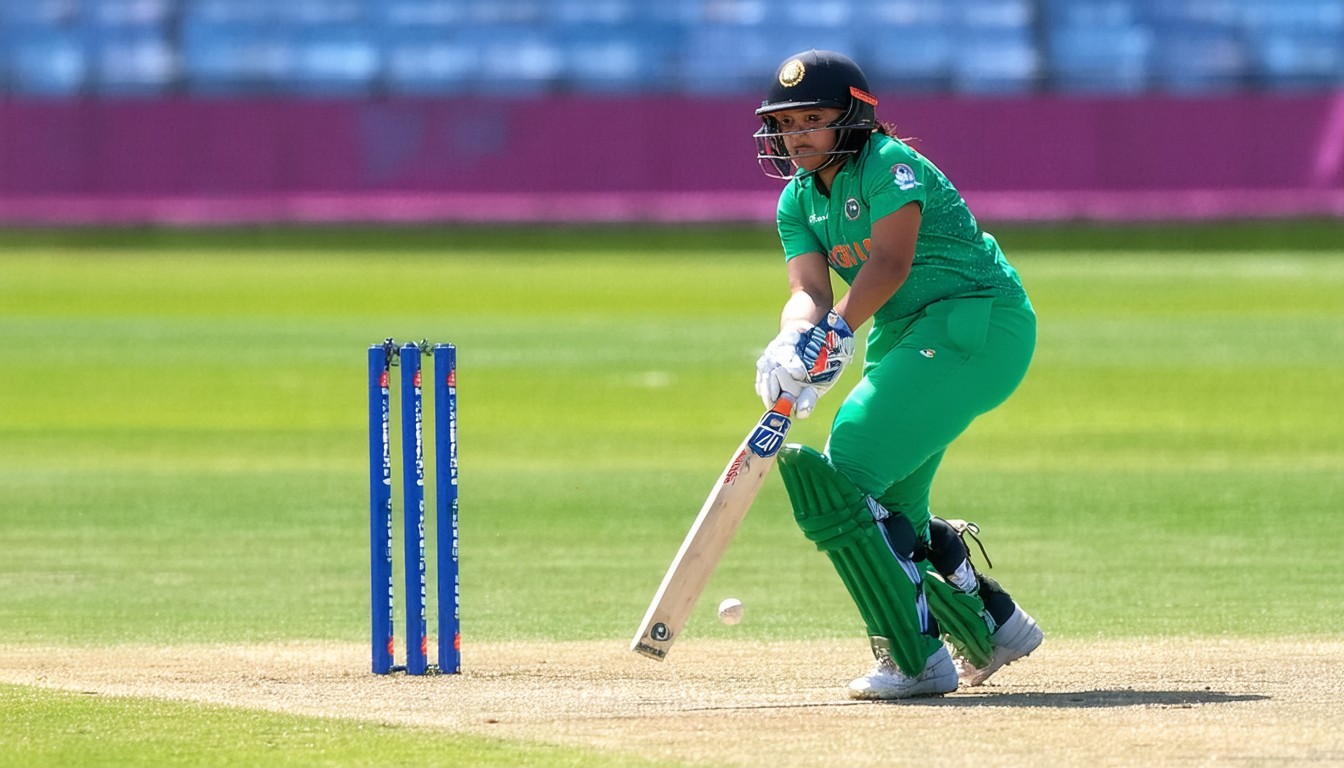
The clash between India Women and Ireland Women embodies the global growth of women’s cricket and showcases two teams at different stages of development. While India’s women’s cricket has experienced a sharp upward trajectory, Ireland is scripting its own story, driven by resilience and emerging young stars. Every fixture between these sides captures intense competition, evolving strategies, and highlights the gulf and narrowing gap between established and developing cricketing nations.
Against this backdrop, their recent encounters—whether in ICC events or bilateral series—reflect both the ascendancy of India and the grit of Ireland. These contests provide not just scorecards, but stories of tactical experimentation, individual brilliance, and shifting dynamics in the women’s game worldwide.
Match Preview: Recent Form and Key Dynamics
India’s Consistency and Versatility
India’s women’s team entered the latest showdown against Ireland on the back of a notable run of form. Buoyed by experienced campaigners such as Harmanpreet Kaur, Smriti Mandhana, and Deepti Sharma, India has combined youth and experience with tactical versatility. Their batting depth is complemented by a well-rounded bowling attack that includes spin and pace threats.
In multi-nation tournaments, India’s consistency has seen them reach deep into the knockout stages, underscoring their aspirations to break the ceiling and claim major ICC trophies. Notably, young players like Shafali Verma and Jemimah Rodrigues add flair and innovation, often shifting the momentum single-handedly.
Ireland’s Development Pathway
On the other hand, Ireland’s women’s team, though often considered underdogs at the highest level, is steadily investing in grassroots programs and domestic structures. Players such as Gaby Lewis and Laura Delany have emerged as consistent performers, offering hope for a stronger competitive outlook. While squad depth remains a challenge, Ireland’s fielding and improved discipline with the ball have turned heads, especially against tougher opposition.
“Ireland’s improvement in pressure situations and their fielding standards are clear signs of a program invested in long-term growth, even if results don’t always show it yet.”
— Anya Shrubsole, former England international
Statistical Breakdown: Head-to-Head & Highlight Performances
Head-to-Head Record
Historically, India and Ireland have met most frequently in ICC tournaments and qualifying events. India’s dominance is evident in the win-loss ratio—with Ireland yet to secure a major T20I or ODI victory over the Asian powerhouse in official ICC events. However, margins have narrowed in certain matches, particularly T20Is, where Ireland’s bowlers have sometimes contained India’s formidable top order for stretches.
Key Player Matchups and Standouts
- Smriti Mandhana vs. Ireland Seamers: Mandhana’s aggressive approach often sets the tone against emerging bowling attacks. Recent matches have seen her accelerate in the powerplay, exploiting Ireland’s reliance on discipline over outright pace.
- Laura Delany’s Impact with Bat and Ball: Delany stands out with her all-round abilities and captaincy. She has spearheaded several resistance efforts, steering Ireland through challenging middle-overs in both formats.
Memorable Highlights
- Shafali Verma’s Blitz: In a memorable T20 encounter, Verma’s rapid half-century put the contest beyond reach early, reflecting India’s batting firepower.
- Gaby Lewis’ Rising Stock: Lewis, still in her early 20s, has produced spirited innings against elite opposition—her boundary-hitting ability signals a bright future for Irish cricket.
- Bowling Excellence: Deepti Sharma’s disciplined off-spin in the middle overs repeatedly breaks partnerships and suffocates run rates.
Tactical Framework: Strengths, Weaknesses, and Gameplans
India’s Strategic Edge
India’s strengths lie in their multifaceted attack and adaptability across conditions. In spin-friendly environments, the trio of Poonam Yadav, Radha Yadav, and Deepti Sharma stifle scoring and extract wicket-taking opportunities. On truer surfaces, quicks like Renuka Singh provide seam movement and early breakthroughs.
With the bat, India’s core group adapts to chase or set targets with equal composure. Harmanpreet Kaur’s finishing, allied with Mandhana’s impetus, ensures that collapses are rare and totals are competitive.
Ireland’s Playbook Under Pressure
Ireland’s blueprint focuses on maximizing powerplays with the ball and stretching partnerships with the bat. Their bowlers target tight lines, aiming to restrict India at the outset and induce rash shots from new batters. Batting depth remains in focus, with reliance on the top four for the majority of runs. Improvements in running between the wickets and rotation of strike have yielded gradual progress.
Pre-Match Scenarios That Shape Outcomes
- India Batting First: India’s run rate soars in the powerplay, pressuring Ireland’s bowlers. However, quick wickets can expose the middle order, offering Ireland opportunities if they strike early.
- Ireland Batting First: Ireland’s strategy often centers on steady accumulation rather than aggression, looking to exploit run-scoring chances in the latter overs if wickets remain in hand.
Broader Impact and What’s at Stake
Beyond individual fixtures, India vs. Ireland encapsulates important questions for women’s cricket:
- How can developing nations accelerate growth and close the gap with top-tier teams?
- What roles do experience, talent identification, and expanded women’s leagues play in raising standards?
- How do wins or fighting performances against more established nations fuel grassroots interest?
In practice, every competitive over and standout personal performance signals progress—both for the teams involved and for women’s cricket as a whole.
“These matches are about more than points on the table. They’re about inspiration, benchmarks, and the belief that the next generation can bridge the divides.”
— Mel Jones, former Australia international and cricket commentator
Conclusion: Key Takeaways & Future Outlook
India Women’s continued evolution is marked by depth, ambition, and an ever-widening skills base. For Ireland Women, each contest is a statement of intent, resilience, and learning. While the win-loss columns heavily favor India, the true measure lies in the closing margin, gritty resistance, and emergence of new stars.
With every clash, the visibility of women’s cricket is amplified, spurring increased investment, coverage, and participation globally. In the seasons to come, as Ireland’s program matures and India refines its hunt for major trophies, their encounters promise compelling cricket and narratives that inspire beyond the scoreboard.
FAQs
What is the head-to-head record between India Women and Ireland Women?
India Women have a clear winning record against Ireland Women in both T20I and ODI formats, with Ireland yet to register a significant victory in ICC tournaments. Most matches have favored India, but Ireland has shown improvement in recent years.
Who are the key players to watch from both teams?
For India, Smriti Mandhana and Harmanpreet Kaur consistently deliver with the bat, while Deepti Sharma is crucial with the ball. Ireland relies on Gaby Lewis and Laura Delany, who often anchor their batting and contribute as all-rounders.
How has Ireland Women’s cricket evolved recently?
Ireland’s women’s team has made strides through youth development and stronger domestic structures. Although results are still in favor of established teams, Ireland’s improved fielding and resilience point to a promising upward trend.
What makes India Women’s team so strong?
India’s strength stems from a mix of experienced stars and rising talent, strategic adaptability, and a balanced bowling attack. The team’s depth and composure under pressure make them formidable opponents.
Why are India vs Ireland Women matches important for women’s cricket?
These matches illustrate the growth gap but also highlight progress and competitive spirit in emerging nations. Each contest raises the profile of women’s cricket, driving investment and inspiring future athletes.