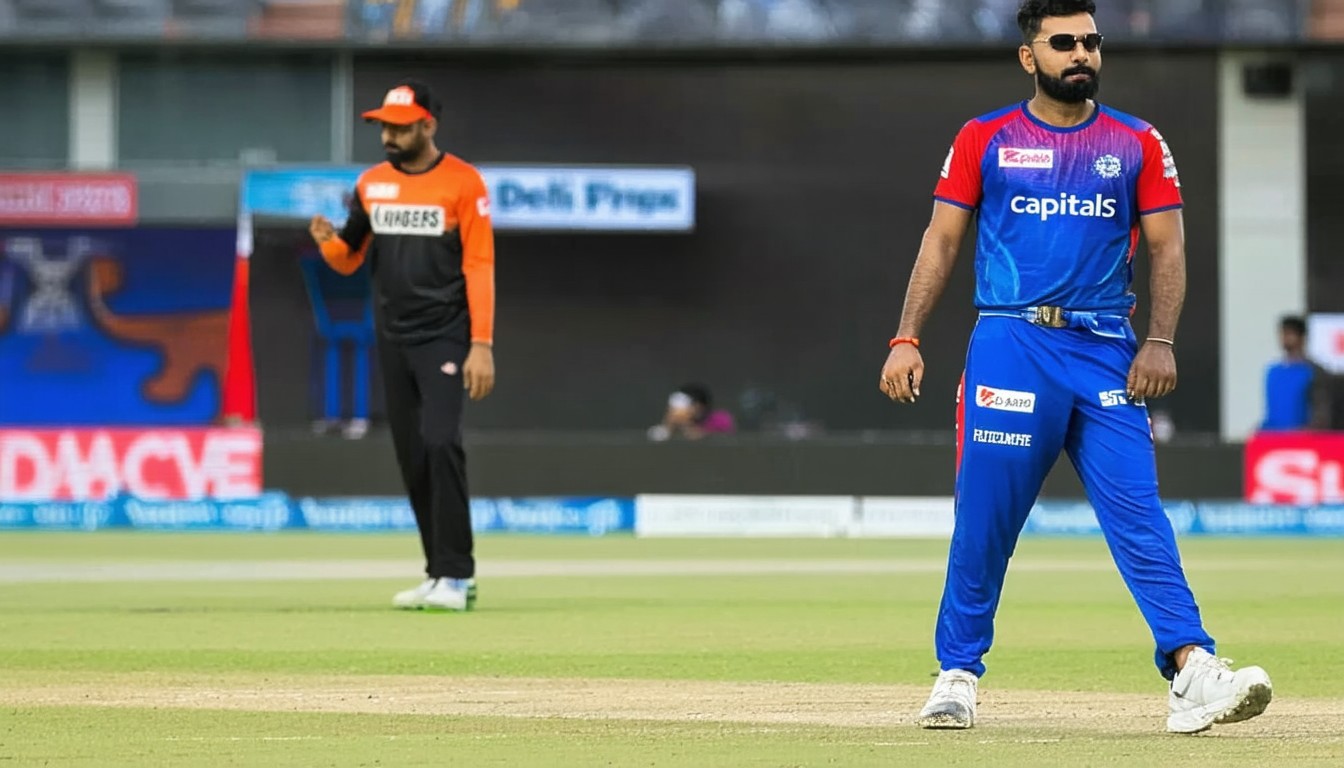
When two dynamic franchises like the Delhi Capitals and Sunrisers Hyderabad face off in the Indian Premier League, the implications go far beyond just the outcome of one match. Their standings on the IPL points table impact playoff qualification, net run rate jockeying, and even team morale as the league phase barrels toward the climax. This update explores where both teams stand, contextualizes their recent results, and analyzes how the standings have shaped their strategies as the season intensifies.
Setting the Stage: The Importance of Standings
In a competition as fiercely contested as the IPL, the difference between playoff glory and early elimination often comes down to slim margins on the points table. Each franchise navigates a marathon of fixtures, knowing that consistency, bonus points (via net run rate), and head-to-head results can be the deciding factors.
Despite the unpredictable nature of T20 cricket, a strong position on the points table builds confidence and breathing room. On the flip side, teams hovering near the cutoff zone feel the intensifying pressure—a reality both Delhi Capitals and Sunrisers Hyderabad have experienced in recent seasons.
Latest Points Table Dynamics: Where DC and SRH Stand
Recent Form and Movement
At this stage of the tournament, both Delhi Capitals (DC) and Sunrisers Hyderabad (SRH) have demonstrated resilience, with mixed streaks of victories and setbacks. Traditionally, both teams are regarded as strong contenders for the playoffs, often occupying the middle or upper half of the points table.
- Delhi Capitals: Known for their aggressive, youthful squad, DC’s fortunes often rely on top-order firepower and their emerging bowling talents. Their performances this season have generally been steady, featuring a blend of dominant wins and a few narrow losses.
- Sunrisers Hyderabad: SRH, typically defined by their disciplined bowling and adaptable batting, have maintained competitiveness even in challenging fixtures. Key overseas players and a knack for defending modest totals have served them well.
“The IPL points table is a living document; a couple of results can swing a team from outsider status to top-four contention. Delhi and Hyderabad know that every game now has playoff implications,” says a leading sports analyst.
Currently, both teams are chasing a spot among the top four. Recent direct encounters between DC and SRH have often acted as pivotal six-point games, affecting not just their own standings but the playoff math for other franchises as well.
Net Run Rate: The Silent Decider
While wins and losses determine a side’s immediate points haul, net run rate (NRR) is a crucial tiebreaker. For DC and SRH, the manner of victory—or the size of defeat—has been nearly as important as the result itself.
Historically, SRH has managed a strong net run rate courtesy of their bowling unit’s ability to restrict opponents, while Delhi’s penchant for big-hitting can either bolster or bruise their NRR depending on the match situation. This dynamic means that every over matters, especially during crunch weeks.
Key Players Driving Standings Movement
Delhi Capitals’ Core Contributors
- Prithvi Shaw & David Warner: Explosive starts have powered high totals and big chases.
- Axar Patel: All-round versatility, influencing both run-scoring and middle-over control.
- Anrich Nortje: Frequently among wickets in powerplays, shifting momentum in DC’s favor.
Sunrisers Hyderabad’s Engine Room
- Abhishek Sharma: Rapid strike rates, especially against quality bowling.
- Aiden Markram & Rahul Tripathi: Provided the backbone in rebuilding situations.
- Bhuvneshwar Kumar & T Natarajan: Creative death bowling, often clinching tight matches.
Their collective performances have shaped not only results but also the narrative around each team’s late-season prospects. Standout performances in head-to-head clashes have been particularly impactful—often boosting one side into stronger playoff positioning.
Scenario Analysis: Playoff Race and What’s at Stake
Trends Influencing the Playoff Picture
As the IPL turns toward the business end of the league phase, mathematical possibilities narrow and standings pressure intensifies. Both DC and SRH often find themselves in the thick of the playoff chase, vying for a coveted top-four slot amidst heavy competition from established and rising franchises.
A win in their face-off not only delivers crucial points but may send a rival tumbling on the points table. This ripple effect can affect squad rotation decisions, captaincy strategies, and player confidence. For example, in past seasons, a surprise win or a heavy defeat in a late-IPL fixture has triggered unexpected eliminations.
Real-World Example: The Playoff Cutoff Drama
A memorable case occurred when SRH, needing an improved NRR to overtake a packed mid-table, not only clinched an underdog win against a higher-placed DC but also secured a playoff berth at the expense of a team with equal points but an inferior NRR. These scenarios underscore how fragile the standings can be, especially toward season’s close.
Beyond the Table: Intangibles and Momentum
Psychological Edge and Fan Engagement
While numbers dominate rational analysis, the emotional swings following crunch wins or demoralizing losses resonate with fans and athletes alike. A direct win over a standings rival often creates a “mental edge” for future contests. Moreover, such results energize fanbases, drive social media engagement, and focus attention on the franchises during crucial periods.
“Momentum is as much an asset as points on the table—teams that peak late often ride confidence waves all the way to the finals,” notes a veteran former IPL captain.
Strategic Changes Mid-Season
Franchises frequently adjust playing XIs and tactical approaches based on evolving standings. For DC and SRH, balancing experience with youth and adapting bowling strategies to matchups becomes even more vital under the microscope of the points table race.
Conclusion: Watching the Standings in Real Time
The evolving battle between Delhi Capitals and Sunrisers Hyderabad extends far beyond the boundaries of the cricket field. Their movements on the IPL points table capture the drama, mathematics, and momentum of the tournament. As the league season enters its final stretch, every result, net run rate shift, and head-to-head contest carries make-or-break weight.
Teams—and their supporters—know that the standings are more than just numbers; they are a live record of hope, strategy, and anticipation, shaping the path to IPL glory. For DC and SRH, staying alert to the table’s swings and responding with bold, calculated moves remains the prescription for success.
FAQs
How does the IPL points table work?
The points table ranks teams based on the number of matches won. Teams earn points for victories, and net run rate is used as a tiebreaker if teams are level on points.
Why is net run rate important in IPL standings?
Net run rate can decide which team qualifies for playoffs when two or more teams have the same points. A positive NRR often becomes crucial in the final stages of the league.
What happens if Delhi Capitals and Sunrisers Hyderabad end with the same points?
If both teams finish the league phase with identical points, the side with the higher net run rate secures the better position, possibly advancing to the playoffs over the other.
Which players should fans watch in DC vs SRH encounters?
Players like Prithvi Shaw, David Warner (DC), and Bhuvneshwar Kumar, Abhishek Sharma (SRH) are often key performers with the potential to swing matches and impact standings.
How often do DC and SRH finish in the top four?
Both franchises have a record of playoff appearances, though consistency varies by season. They’re frequently in contention until the final weeks, making their head-to-head matches pivotal.
Does recent form always influence standings positions?
While winning streaks help, a team’s earlier results and net run rate throughout the season collectively determine their place on the table, making every match impactful.