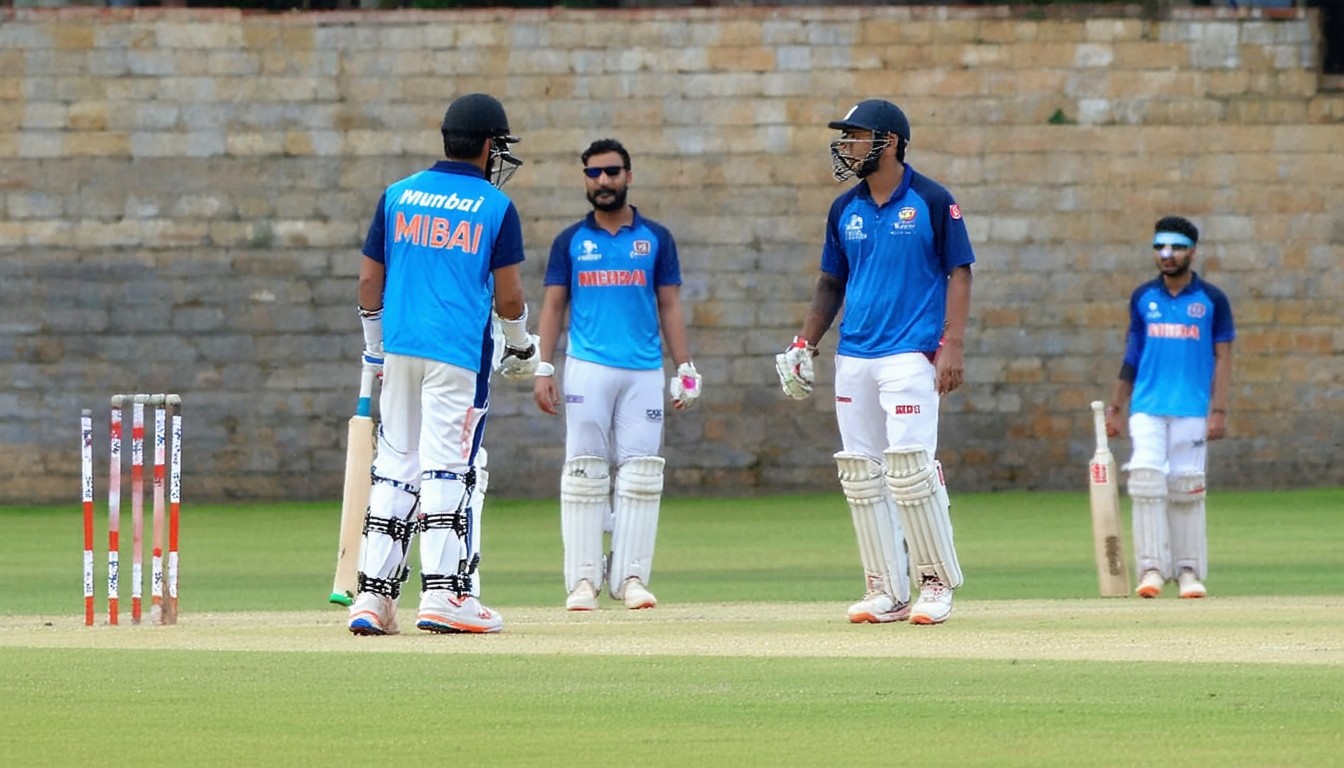
When the Mumbai cricket team lines up against Jammu and Kashmir, it’s more than just a domestic fixture—it’s a collision of cricketing legacies and emerging stories. Mumbai, armed with decades of dominance and a record haul of trophies, contrasts starkly with Jammu and Kashmir, a side often seen as underdogs but known for resilience and rapid development. Analyzing a scorecard from such a contest provides not only numbers but also crucial insights into strategy, player mentality, and the evolving landscape of Indian domestic cricket.
Understanding the Scorecard: More Than Just Numbers
A cricket scorecard is the narrative backbone of any match; it encapsulates individual performances, turning points, and the strategic ebb and flow. In a Mumbai vs Jammu and Kashmir clash, each entry tells a story—of pressure, breakthrough, and transition.
Key Elements of a Typical Match Scorecard
A standard scorecard tracks several major data points:
- Team Totals: Runs scored and wickets lost by each team in their innings.
- Individual Performances: Runs scored by batters and wickets taken, overs bowled, and economy rates for bowlers.
- Partnerships: Critical stands that shift momentum.
- Extras: Byes, leg byes, wides, and no-balls that can tip close games.
Scorecards are more than historical records. They inform selection, strategy, and even the mood in a dressing room. For instance, a Mumbai opener’s gritty 70 on a slow Wankhede wicket, or a Jammu and Kashmir seamer’s five-wicket haul, can both become narrative focal points for future selections and discussions.
Mumbai Cricket Team: Legacy Reflected in Performance Metrics
Mumbai’s cricketing heritage is unmatched in Indian domestic cricket, with an enviable track record in Ranji Trophy finals and consistent player production lines that feed the national team.
Trends in Mumbai’s Scorecards
Over the years, Mumbai’s dominance often finds expression in their scorecards:
- Top-heavy Batting: Frequent centuries and half-centuries from openers and top order.
- Bowling Depth: Medium pacers and spinners regularly sharing wickets, supported by tight fielding.
- Consistent Partnerships: Match-winning stands in crucial sessions.
As former Indian cricketer and coach Sanjay Manjrekar notes:
“A Mumbai scorecard is often a lesson in team discipline—while there may be individual brilliance, it’s the team’s ability to wrest back control in pressure moments that elevates their performance.”
Despite changes in personnel over generations, Mumbai’s ability to execute plans with clinical precision is consistently documented in scorecards, whether they’re putting up daunting totals or defending modest ones.
Jammu and Kashmir: Emerging Patterns and Breakout Players
Contrasting Mumbai’s star power, Jammu and Kashmir enters each match carrying the tag of surprise packages. They have carved a niche with spirited performances, especially in the past decade, as reflected in rising player profiles and improved results.
Scorecard Signatures of Jammu and Kashmir
Analyzing recent match scorecards reveals:
- Flashpoints of Brilliance: Young batters occasionally notch breakthrough fifties or hundreds under pressure.
- Bowling Surprises: Homegrown seamers and spinners often deliver unexpected breakthroughs, particularly in helpful conditions.
- Agility in the Field: The fielding unit, inspired by limited-overs trends, saves crucial runs.
While inconsistencies persist, the team’s ability to punch above its weight is clear in matches where their bowlers dismantle seasoned batting lineups or their lower order salvages a draw from a losing position.
Tactical Analysis: How Scorecards Reveal Game Plans
Beyond the recorded runs and wickets, a close reading of scorecards between these teams highlights evolving tactical philosophies.
Mumbai’s Strategic Blueprints
Mumbai typically exploits conditions to suit their strengths—racking up first-innings leads, rotating bowlers to maintain pressure, and manufacturing breakthroughs via aggressive close-in fielding. If their openers negotiate early swing, middle-order batters often capitalize.
Jammu and Kashmir’s Adaptation Tactics
Jammu and Kashmir, on the other hand, have developed tactics to counter Mumbai’s firepower:
- Deploying left-arm seamers in early sessions to maximize morning moisture.
- Using aggressive in-out field settings to force risk from Mumbai batters.
- Betting on unorthodox batting orders to disrupt opponent planning.
For example, in a notable Ranji Trophy fixture, Jammu and Kashmir’s decision to promote a hard-hitting all-rounder at No. 3 paid off, forcing a Mumbai rethink and flipping the momentum.
Real-World Impact and Player Development
Scorecards also reflect broader cricketing trends, including youth development, infrastructure investment, and the democratization of talent across India.
Changing Dynamics of Indian Domestic Cricket
The rise of talented players from Jammu and Kashmir, such as Umran Malik and Parvez Rasool, is echoed in improved statistics—faster run-chases, more frequent five-wicket hauls, and a reduction in margin of defeats against traditional giants.
Spotlight on Game-Changers
- Mumbai: Consistent performers like Ajinkya Rahane and Prithvi Shaw continue to star.
- Jammu and Kashmir: The emergence of speedsters and dynamic spinners has led to competitive contests, narrowing the historical gulf.
As cricket analyst Ayaz Memon puts it:
“Each scorecard is a microcosm of India’s cricketing evolution. Mumbai’s resilience and J&K’s exuberance tell the story of a changing guard in domestic cricket.”
Scorecard Highlights: Recent Mumbai vs Jammu and Kashmir Matches
While each game brings its own twists, certain scorecards stand out for the drama and milestones they encapsulate.
Example: High-Impact Match Snapshot
- Mumbai 312 & 201/3 (declared)
- Jammu and Kashmir 178 & 190
Mumbai won by 145 runs
Key Performances:
- Mumbai opener scored a defining century in the first innings.
- J&K spinner picked up four wickets, momentarily stemming the run flow.
- Mumbai’s seam attack rattled J&K in both innings, enforcing a quick collapse.
Such scorecards highlight not just the skill gap, but also the intervals where Jammu and Kashmir’s bowlers or middle-order resisted Mumbai’s might, showing progression and untapped promise.
Conclusion: What the Scorecard Teaches About Mumbai vs Jammu and Kashmir
A Mumbai cricket team vs Jammu and Kashmir cricket team match scorecard is more than a register of runs, wickets, and overs—it is a lens through which the shifting balance of Indian domestic cricket becomes visible. Mumbai’s relentless consistency, mirrored in their data, continues to set benchmarks. Conversely, Jammu and Kashmir’s incremental strides, punctuated by flashes of excellence and a growing belief, underscore the vibrant, unpredictable heart of the game. For selectors, fans, and analysts alike, every scorecard is a roadmap: to form, strategy, and the future of Indian cricket.
FAQs
How can I find the latest Mumbai vs Jammu and Kashmir match scorecard?
Live scorecards are typically available on major sports websites such as ESPNcricinfo, BCCI’s official site, and various cricket apps. These platforms update ball-by-ball data for both ongoing and recent matches.
What should I look for in a detailed cricket match scorecard?
Beyond overall scores, focus on partnerships, strike rates, economy rates for bowlers, and key moments like collapses or big stands. These elements provide deeper insight into which team controlled different phases of the game.
Who are the key players in Mumbai and Jammu and Kashmir cricket teams?
Mumbai is known for producing top international cricketers; current stars often include Ajinkya Rahane, Prithvi Shaw, and Shardul Thakur. Jammu and Kashmir’s budding talents like Umran Malik and Parvez Rasool have gained national attention for their performances.
Has Jammu and Kashmir ever beaten Mumbai in first-class cricket?
While Mumbai is historically dominant, Jammu and Kashmir have occasionally sprung surprises in the past decade, registering memorable wins or close contests in the Ranji Trophy. However, wins are still comparatively rare.
Why is the Mumbai cricket team considered so successful in Indian domestic cricket?
Mumbai’s sustained success is built on a strong cricketing infrastructure, a deep talent pool, and a culture of high-performance professionalism. Their record number of Ranji Trophy titles stands as a testament to their cricketing supremacy.
How do weather and pitch conditions affect Mumbai vs Jammu and Kashmir matches?
Conditions play a significant role. Mumbai often excels on bouncy or dry pitches, while Jammu and Kashmir’s bowlers can exploit swing-friendly or turning tracks—occasionally reshaping the match dynamic in surprising ways.