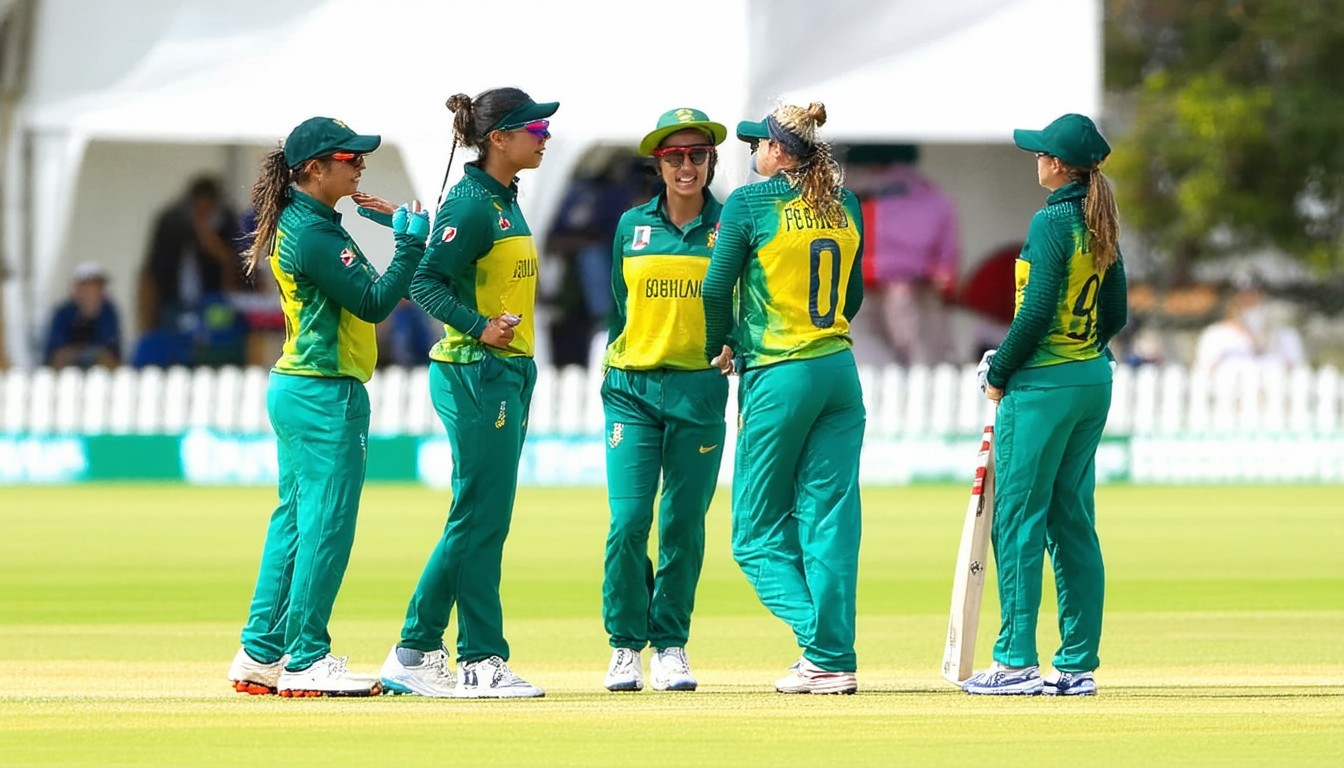
When the South Africa women’s national cricket team faces off against the England women’s national cricket team, the global women’s cricket audience knows they’re in for a riveting, high-quality contest. Meetings between these two sides often deliver more than just the numbers—each match tells a story of resilience, skill, and the rapid acceleration of women’s sport worldwide. As both teams continue to raise their standards, scorecards of recent clashes have become a testament to evolving tactics, individual brilliance, and growing spectator interest.
Context: Recent Encounters and Rising Stakes
Few rivalries in women’s cricket have enjoyed such consistent intensity as South Africa vs England. Series between these sides—whether in bilateral tours, World Cup events, or ICC tournaments—are laden with history and anticipation. England traditionally holds a prominent place in women’s cricket, being one of the pioneering nations, while South Africa’s meteoric rise has injected fresh unpredictability into the fixture.
Their recent matches have not just been about the final tallies but about how those numbers reflect tactical evolution. For example, South Africa’s progress in the ICC Women’s World Cup 2022 saw them clinch close finishes against heavyweight teams. Likewise, England’s ability to blend youth and experience ensured tight contests, with several outcomes decided in the final overs.
Match Scorecard Overview: Key Figures and Turning Points
A cricket match scorecard is much more than a table of runs, wickets, and overs. It’s a reflection of momentum swings, clutch performances, and overlooked cameos. Reviewing typical scorecards between South Africa and England women’s teams, several trends emerge:
- Strong Top Orders: Both sides frequently rely on opening batters to set the tone. England’s Tammy Beaumont and South Africa’s Laura Wolvaardt have repeatedly made decisive contributions.
- All-Round Excellence: The likes of Marizanne Kapp for South Africa and Nat Sciver-Brunt for England showcase the growing influence of all-rounders who impact both batting and bowling columns.
- Death Bowling Impact: Tight finishes often mean a premium on effective death-over specialists, with bowlers like Shabnim Ismail and Katherine Sciver-Brunt historically dictating terms.
A typical One Day International (ODI) scorecard between these teams might look like this, abstracted from recent encounters:
| Team | Score | Top Scorer | Best Bowler | Result |
|———————–|————–|——————–|——————–|———————————|
| South Africa Women | 246/7 (50) | Laura Wolvaardt, 80| Ayabonga Khaka, 3/39| South Africa won by 7 runs |
| England Women | 239/8 (50) | Heather Knight, 60 | Sophie Ecclestone, 2/38| |
Such a contest underscores the narrow margins and the all-round talent on both sides.
Player Performances: Spotlight on Match-Winners
South Africa’s Consistency and Emerging Stars
In recent years, South Africa has shifted from being competitive to genuine title contenders. Laura Wolvaardt consistently anchors innings with classic shot selection and grit. Marizanne Kapp, hailed for her versatility, often changes the game’s complexion with spirited all-round displays.
“Every close encounter we’ve had with England has pushed us to up our standards—the margins get finer each series,” says South Africa head coach Hilton Moreeng.
Shabnim Ismail, recognized as one of the world’s fastest women bowlers, brings stifling pressure during powerplays and the death. Young talents, like all-rounder Nadine de Klerk, further add depth and promise for the future.
England’s Blend of Experience and Youth
England’s reputation as a top-tier cricketing nation stems from its quality pipeline. Heather Knight leads by example, marshaling her resources in pressure situations. Opener Tammy Beaumont’s aggressive starts and Nat Sciver-Brunt’s dynamic all-round abilities often steer England out of tight spots.
The bowling unit, outperforming many in terms of economy and strike rate, is led by Sophie Ecclestone—a left-arm spinner who consistently features among the world’s top-ranked bowlers. Their squad rotation strategy, especially in multiformat series, ensures both continuity and fresh energy.
Strategic Dimensions: Tactics That Shape the Scorecard
Batting First vs Chasing: Preferences and Approaches
Beyond numbers, most scorecards highlight strategic shifts depending on whether teams bat or bowl first. In slow pitches or high-stakes games, South Africa tends to anchor innings and rely on disciplined bowling to defend totals. England, meanwhile, often backs its chasing abilities, underlined by memorable victories in recent ICC events.
Field Placements and Bowling Changes
Match reports and scorecards show how captains adapt field placements to counter big hitters or squeeze singles. England’s defensive fields in the middle overs or South Africa’s attacking fielders inside the ring during powerplays are not accidental—they are the result of meticulous planning.
The Bigger Picture: Impact on Global Women’s Cricket
The significance of the South Africa vs England scorecard extends far beyond the final result. Each tightly contested match validates the growing professionalism in women’s sport and attracts new audiences worldwide. Sponsors and broadcasters increasingly recognize the commercial potential, ushering in a new era of investment and visibility.
Cricket South Africa and the England and Wales Cricket Board (ECB) have both rolled out development pathways for girls, ensuring that future scorecards may feature even more diversity and surprise standouts.
Key Takeaways and Strategic Recommendations
As the South Africa women’s national cricket team and England women’s national cricket team continue to raise their standards, each match scorecard serves as both a historical record and a blueprint for future progress. Analysts and fans alike now scrutinize not just the aggregate totals, but the micro-moments—missed run-outs, game-changing partnerships, and inspired bowling changes.
Sustained focus on grassroots development, consistent international exposure, and investment in coaching will ensure that future encounters remain as competitive and compelling as ever.
“The fierce, respectful rivalry between these two teams is one of the best advertisements for the growth of women’s cricket globally,” notes a senior ICC women’s cricket official.
FAQs
What was the result of the most recent match between South Africa and England women’s teams?
The outcome often varies, but recent matches have been closely contested, with both teams sharing victories across formats and series. Match scorecards reflect tight finishes and standout performances.
Who are some of the leading players in these matches?
Key names include Laura Wolvaardt and Marizanne Kapp for South Africa, while England counts on Heather Knight, Tammy Beaumont, and Sophie Ecclestone among their primary match-winners.
How can I find the official scorecard for a recent South Africa vs England women’s match?
Official cricket boards such as the ICC, CSA, and ECB publish complete scorecards on their websites. Sports news platforms like ESPNcricinfo and Cricbuzz also offer detailed live and post-match statistics.
What are common trends in these encounters?
Matches are often balanced, featuring strong bowling attacks, competitive batting lineups, and several games being decided in the last few overs.
Why are these fixtures significant for women’s cricket?
They showcase the rising quality and competitiveness of the women’s game, attract worldwide viewership, and help inspire the next generation of female cricketers.
How is the rivalry evolving in the T20 and ODI formats?
Both teams are developing specialists for each format, leading to greater tactical variety and more unpredictable outcomes, continuously raising the standard of international women’s cricket.