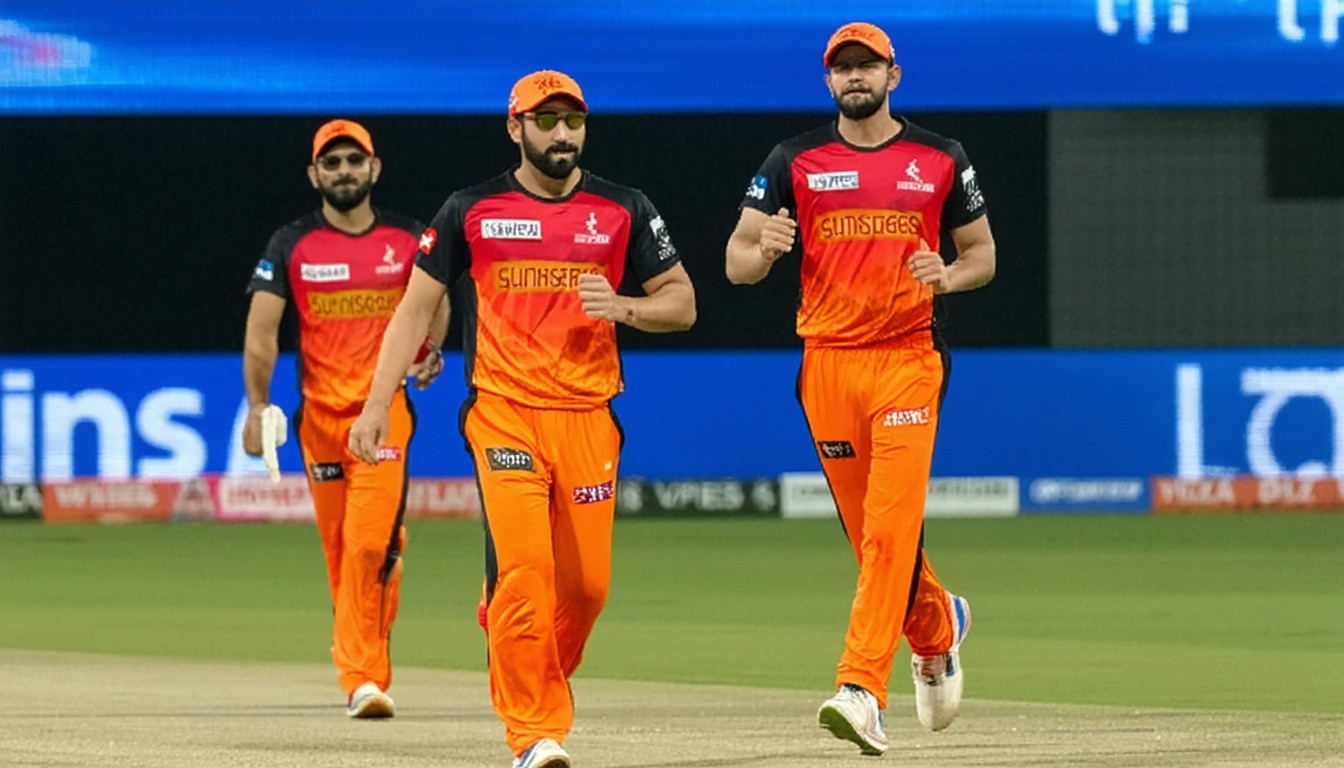
A clash between Sunrisers Hyderabad (SRH) and Delhi Capitals (DC) in the Indian Premier League (IPL) is often a masterclass in competing cricket philosophies: the disciplined, calculated approach of Hyderabad squaring off against the bold, impulsive energy of Delhi. Over multiple seasons, these sides have delivered high-stakes thrillers and tactical battles that continue to captivate fans and analysts. Understanding the match timeline, momentum swings, and key highlights not only enriches the viewing experience but also reveals how modern T20 cricket’s drama unfolds ball by ball.
Pre-Match Build-Up: Storylines and Strategies
Persistent Rivalry and Changing Fortunes
The SRH vs DC rivalry has been marked by shifting trajectories. Hyderabad, with their reputation for tight bowling and measured chase-building, often set traps for opponents. Delhi Capitals, on the other hand, have grown into a dynamic, youth-driven squad unafraid of big moments. Across recent IPL seasons, these teams have been separated by narrow margins, often with the result hinging on all-important powerplay phases or late-order heroics.
Squad Selection and Tactical Intent
On match day, both franchises closely scrutinize conditions in Hyderabad or Delhi—venue matters here more than most IPL fixtures. SRH’s bowling-centric lineup routinely banks on early breakthroughs, leveraging the swing of Bhuvneshwar Kumar or the guile of Rashid Khan. DC frequently aims to set the pace with young batting luminaries like Prithvi Shaw or the game-changing all-round skills of Axar Patel.
“In T20 cricket, adaptability is everything. The teams that adjust fastest—by reading pitch conditions or exploiting matchups—tend to take control early and rarely let go,” noted a veteran IPL strategist.
The Match Timeline: Ball-By-Ball Narrative
First Innings: SRH Bat or Bowl?
The opening toss commands pivotal importance: Hyderabad’s track record suggests confidence in setting totals when batting first, while Delhi’s chasers thrive on scoreboard pressure. When SRH has batted first, calculated aggression from Abhishek Sharma or explosive acceleration by Heinrich Klaasen has often given them a brisk start.
Notable Early Highlights
- Within the powerplay (first six overs), Hyderabad aims to lose no more than one wicket and target a run rate near 8–9 per over.
- In games where Delhi’s Anrich Nortje or Kuldeep Yadav get early wickets, the momentum can shift sharply, slowing the scoring through disciplined middle overs.
Mid-Innings Momentum Shifts
Beyond powerplays, the role of ‘quiet’ overs is often crucial. Here, Hyderabad’s seasoned middle order—players like Aiden Markram—navigate spin and look for mistake-free singles. Delhi’s use of spin twins and sharp field placements attempts to squeeze SRH, forcing errors.
- A regular turning point is the 11th-14th over block: boundary droughts here can derail the set platform for a late-innings surge.
- If Hyderabad keeps wickets intact, they regularly explode in the final five overs, sometimes doubling their score as finishers unleash.
Second Innings: DC’s Chase (or Defense)
Delhi’s approach is rarely conservative. Facing a target set by Hyderabad, openers attack the first overs, often at the risk of early wickets. Should Hyderabad defend, Rashid Khan (in previous seasons) or now a rising spinner like Mayank Markande, will target Delhi’s middle order to create collapses.
Key Chase Scenarios
- If Delhi’s top order—particularly David Warner or Rishabh Pant (when available)—cross 50 runs before the 8th over, the Capitals usually set a formidable pace.
- Conversely, quick wickets by SRH’s opening bowlers in the first spell see Delhi slip into a measured, cautious rebuild.
The final overs rely heavily on death-overs specialists; even a set Delhi side can stumble if Bhuvneshwar or T Natarajan find their yorker range. These critical overs frequently decide the encounter.
Highlights and Turning Points
Standout Performances and Game-Changers
Some of the most memorable Sunrisers Hyderabad vs Delhi Capitals encounters have been defined by extraordinary individual displays:
- Kane Williamson’s anchored chases for SRH, steering tense games into calm waters with a mixture of singles and calculated risks.
- Rishabh Pant’s counter-attacks, where a rapid-fire 40–60 runs can flip momentum and force Hyderabad’s bowlers into defensive lines.
- Match-winning spells from Rashid Khan or Rabada, where a few quick wickets swung otherwise balanced games.
Data and Match Trends
A review of recent IPL data reveals that:
- Teams batting first at Hyderabad’s home ground often hold the edge—particularly if par scores hover above 170.
- “Dot ball percentage” in the middle overs emerges as a reliable predictor. The more dot balls bowled, the more pressure, especially on chasing sides. In several SRH vs DC clashes, the team maintaining dot pressures has limited opponents to below-par scores.
Tactical Insights: How SRH and DC Differ
Bowling Arsenal and Field Placements
SRH’s bowling blueprint is relentless pressure—frequent use of swing up front and spinners controlling the middle. Their fields are set with run-saving intent, minimizing boundary options and daring batsmen to risk aerial routes.
Delhi, meanwhile, adapts tactics to the opposition’s strengths. Against Hyderabad’s composed batting, DC often employ wrist-spin earlier and rotate their seamers at the back end. Their outfield placement seeks wickets through catching opportunities rather than run prevention alone.
Batting Depth and Quickfire Partnerships
Hyderabad’s batting order can appear top-heavy, placing responsibility on openers and marquee overseas stars. Delhi, with a deeper pool, has snatched games via quickfire cameos from lower-order bats like Axar Patel or Shardul Thakur—players capable of swinging big moments.
Key Takeaways and Match Impact
Over the last several seasons, Sunrisers Hyderabad vs Delhi Capitals fixtures have illuminated several truths about T20 matchcraft. First, early momentum and high-intensity start matter enormously but often need to be consolidated through disciplined, low-error cricket in mid-innings. Second, adaptability—strategic flexibility in field changes, bowling rotations, and acceleration points—frequently defines the winner.
For fans and analysts alike, following the timeline and highlights of SRH vs DC matches offers a window into what makes the IPL so globally magnetic: a blend of tactical depth, individual brilliance, and heart-stopping finishes.
FAQs
What is the typical format for Sunrisers Hyderabad vs Delhi Capitals matches in IPL?
Each team plays one or two league matches against each other per season, often featuring a first innings and a chase with key players shaping the outcome in both departments—batting and bowling.
Which factors most often decide the outcome of SRH vs DC matches?
Results frequently hinge on powerplay performances, mid-overs bowling discipline, and effective death-over execution, rather than any single aspect.
Do SRH and DC have a distinct playing style?
Hyderabad is known for methodical, defense-first strategies, especially in bowling, while Delhi prefers aggressive batting and strategic flexibility, often adapting tactics to the opposition.
Who have been the game-changers in SRH vs DC encounters?
Impact players have included Rashid Khan and Bhuvneshwar Kumar for SRH, with Rishabh Pant and Kagiso Rabada making significant differences for DC over the years.
What role do venues play in these contests?
The outcome can be influenced by the ground—Hyderabad’s pitch favors bowlers and patient batting, whereas Delhi’s Kotla sometimes rewards power hitting, making strategic decisions like batting first or chasing critical.